Game Dev Tycoon
Starting a little game studio in the 80s sounds like a nice way to keep moving, because you’re making decisions between stretches where the business handles the waiting for you. I’d play Game Dev Tycoon at an easy pace, not while trying to hit a personal record.
Gameplay
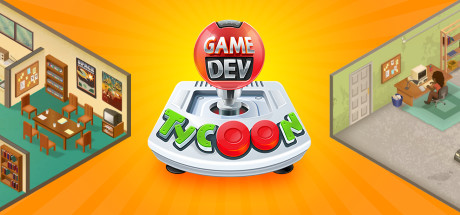
I like that the game makes the creative decisions feel like part of the job, because you’re not only choosing to make another game, you’re also deciding what kind of game fits a topic and where to put your effort during development. Some combinations work better than others, and figuring that out gives you a reason to care about the next release. I would absolutely make a game about something that sounded funny and then pretend the numbers were a surprise.
The early company setup has a nice small scale to it. You start in the 80s, with limited resources and a lot of room to experiment, and that makes each new technology or game type feel like a real possibility instead of another item on a giant checklist. I think that sense of gradual growth is the best reason to keep going, even when a project takes time to finish.
The work itself asks you to balance design and technology, and I like that it gives you a few meaningful choices without making every project feel like a complicated spreadsheet. You can change how you approach development, but you’re still mostly making a handful of calls and seeing what the market thinks. Sometimes the market thinks you made a masterpiece. Sometimes it seems like it got distracted.
There’s a lot of waiting around game projects, and that’s either a pleasant breather or a slow patch depending on how much you want to be involved every minute. I’d enjoy planning the next release, checking what I can research, and deciding whether a new idea is worth the money, but I wouldn’t pretend the whole game is constantly pulling my attention back. Some stretches are just letting the work finish.
As the company grows, you can hire staff and research new technologies, and that adds more to manage without turning the game into a frantic race. I think the later decisions are more interesting because you have more options and more money at stake, though I’d probably miss the scrappy little studio feeling from the beginning. It’s nice to have a business problem that isn’t a real business problem.
Category Score: 2 out of 3
Treadmill and Bike Compatibility
The game’s pace is friendly to exercise, but the menus are where I’d be careful. You’re choosing topics, settings, research and staff through a screen full of buttons, so I’d keep the workout comfortable enough that I can make decisions without wobbling toward the wrong option. A wild thumb movement probably won’t ruin a project, but a wild step can still make the menu feel busier than it needs to.
I wouldn’t count on native controller support without checking your setup first. Steam Input may let you map a controller to the menu actions, which is what I’d try before putting the game on a treadmill, and the slower pace means you can usually take a moment to aim instead of reacting instantly. If you’re using a mouse and keyboard, I’d keep the controls somewhere stable and make sure pausing is easy to reach.
A bike seems a little easier for this particular game, since your hands can stay in one place while you make choices, but I wouldn’t rule out a treadmill at a slow pace. I’d avoid turning the speed up while I’m sorting through menus or starting a new project, because that’s when the game asks me to look at the screen and think. It’s not exactly a high stakes emergency.
The good rhythm is to make a few decisions, let development move forward, and then check back in when there’s something worth doing. I don’t know how much I’d enjoy keeping my eyes on the screen for every little update, but the game doesn’t demand fast aiming or careful timing, and that’s huge for playing while moving. I’d treat it more like a casual management game than something to power through at a hard pace.
Category Score: 2 out of 3
Computer Requirements
The listed minimums are modest, and this shouldn’t need a recent graphics card to run. I’d check that your display can handle the minimum resolution, but this isn’t a game that needs a computer built around fancy visuals.
Category Score: 3 out of 3
Conclusion and Score
Worth a try if you enjoy management games and don’t mind stretches of planning and waiting between decisions. I’d play it during an easy workout, especially on a bike, and skip it if you need constant action to stay interested.
Overall Score: 2.33 out of 3
More Casual reviews